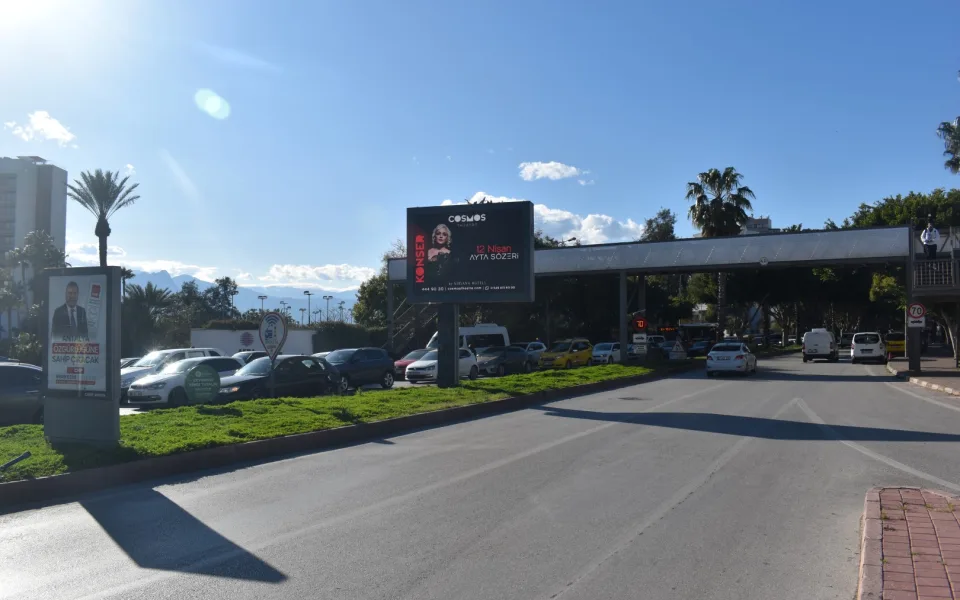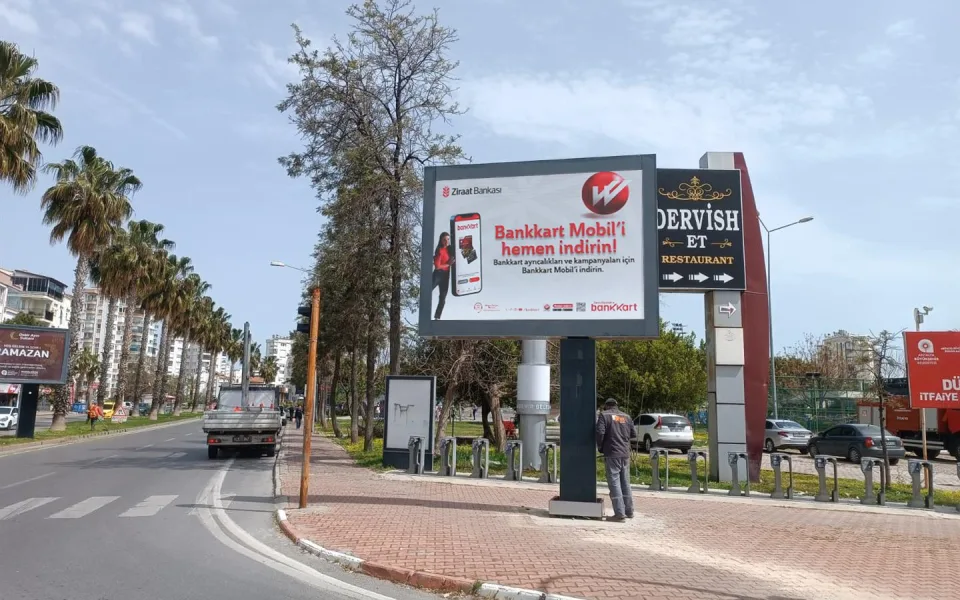
Are Traditional Billboards Dying? The Shift Between OOH and DOOH
Comparing print billboards, megalights, and city light posters against digital screens in terms of cost, dwell time, and energy efficiency.

1. Introduction: The Future of Static Media in a Digital Age
As Digital Out-of-Home (DOOH) screens illuminate city centers, transit hubs, and airports, questions arise regarding the survival of static printed billboards. While DOOH offers video motion and real-time triggers, static formats offer unique, irreplaceable structural benefits.
2. The Undeniable Strengths of Static OOH
- 100% Share of Voice (SOV): Unlike shared digital rotation loops, static faces display your brand exclusively 24/7. Every passerby sees only your message.
- Energy & Carbon Footprint: Zero operational power draw during daylight hours compared to continuous high-wattage LED arrays.
- Cost Efficiency & Sustained Brand Building: Lower long-term CPMs ideal for building broad reach and high brand recall over multi-week flights.
3. Conclusion: The Hybrid Approach
Traditional billboards are not dying; they are evolving. The most effective media plans combine static dominance with dynamic DOOH precision.
Frequently Asked Questions (FAQ)
Are Traditional Billboards Dying? The Shift Between OOH and DOOH Key Takeaways & FAQ
Comparing print billboards, megalights, and city light posters against digital screens in terms of cost, dwell time, and energy efficiency.